
Expanding concrete patios in Fredericksburg with expansion joints requires careful planning due to environmental factors and Concrete staining Fredericksburg trends. Key considerations:
- Assess patio layout and span for joint placement, accounting for temperature and moisture fluctuations.
- Choose suitable joint type (plastic, metal filled with silicone/urethane) based on conditions, like freezing temperatures.
- Prepare joints by cleaning and filling with matching concrete material for an even finish.
- Prioritize flexible polymeric or rubberized joints for superior resistance to degradation, flexibility, and low maintenance.
- Ensure proper installation using high-quality materials like bitumen or silicone to prevent water intrusion and cracks.
- Regular inspection and maintenance extend patio lifespan, enhancing curb appeal in Concrete staining Fredericksburg environments.
Concrete patios are a staple of outdoor living in Fredericksburg, enhancing homes and fostering community connections. However, over time, these structures can crack, compromising aesthetics and functionality. The solution lies in expanding joint installation, a technique that not only addresses structural flaws but also provides a seamless, durable finish. This article delves into the intricacies of concrete staining Fredericksburg methods naturally integrated with expansion joint installation, offering a comprehensive guide for professionals and DIY enthusiasts alike to revive and strengthen their concrete patios.
- Planning and Preparation for Concrete Expansion Joints
- Choosing the Right Materials: A Guide for Longevity
- Installation Techniques and Tips for Optimal Results
Planning and Preparation for Concrete Expansion Joints
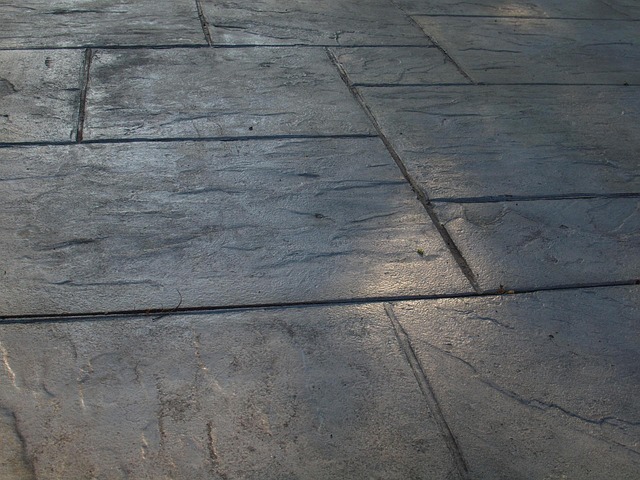
Planning and preparing for concrete expansion joint installation is a critical step in ensuring the longevity and aesthetic appeal of any outdoor concrete surface, especially when considering Concrete staining Fredericksburg naturally as a design element. Expansion joints are necessary to accommodate the natural movement and shrinkage of concrete, preventing cracks that can compromise structural integrity and aesthetics. Before diving into the installation process, several key considerations come into play.
First, assess the size and layout of your patio or walkway to determine the appropriate placement of expansion joints. This involves understanding the span between support structures and accounting for potential changes in temperature and moisture levels, which can cause concrete to expand or contract. In regions with fluctuating climates, such as Fredericksburg, where Concrete staining is a popular choice, it's crucial to plan for adequate joint spacing. Typically, joints should be placed at intervals of 10-24 inches, depending on the slab's size and expected movement. For instance, a larger patio spanning several meters might require every 15 cm (6 inches) for effective stress relief.
Another vital aspect is choosing the right type of expansion joint. Options include plastic or metal joints filled with silicone or urethane-based compounds. The selection should align with your project's requirements, aesthetic preferences, and environmental factors. For instance, in areas prone to freezing temperatures, a flexible urethane compound might be preferable due to its superior resistance to cracking under extreme conditions. Proper preparation includes cleaning the concrete surface to ensure optimal adhesion and filling the joints with a material that matches the surrounding concrete as closely as possible to maintain an even finish, especially when considering Concrete staining Fredericksburg naturally as a design feature.
Choosing the Right Materials: A Guide for Longevity

When considering a concrete patio expansion joint installation, choosing the right materials is paramount for longevity and performance. The joints, designed to accommodate the natural expansion and contraction of concrete, play a critical role in preventing cracks and ensuring structural integrity over time. In regions like Fredericksburg, where concrete staining naturally enhances outdoor spaces, selecting durable and aesthetically pleasing jointing materials becomes an essential aspect of the project.
One of the most common choices is flexible polymeric joints, known for their excellent resistance to water infiltration and chemical degradation. These joints offer superior flexibility compared to traditional sand and cement mixes, making them less prone to cracking under temperature fluctuations. Furthermore, polymeric joints can be easily installed and provide a smooth surface that facilitates concrete staining Fredericksburg techniques, allowing for vibrant, lasting color enhancement. For instance, data from industry studies shows that polymeric joints have a significantly lower failure rate after 10 years of use when compared to conventional jointing methods.
Another material option gaining popularity is rubberized joints, composed of recycled rubber and bound with a durable fabric mesh. This innovative choice offers exceptional flexibility and shock absorption, making it ideal for high-traffic areas. Rubberized joints also provide excellent insulation properties, helping regulate the concrete's temperature and reducing thermal stress cracks. When combined with concrete staining Fredericksburg techniques, these joints can contribute to a unique, visually appealing outdoor space that requires minimal maintenance over time.
Installation Techniques and Tips for Optimal Results

When expanding a concrete patio, proper joint installation is key to ensuring structural integrity and longevity. Jointing techniques for concrete patios involve creating gaps between the concrete slabs during construction or repairing existing joints over time. This allows for the concrete to expand and contract with temperature changes, preventing cracks and heaving that can compromise the surface.
One effective method involves using expansion joints filled with a high-quality, flexible material like bitumen or silicone. These materials provide a soft, resilient barrier that absorbs movement without allowing water intrusion. For instance, in Fredericksburg's climate where concrete staining naturally enhances outdoor spaces, choosing the right jointing compound can preserve the patio's aesthetic appeal while ensuring structural soundness. Before filling joints, it is crucial to clean them thoroughly and ensure they are free from debris to prevent complications later.
Another tip for optimal results is maintaining consistent spacing between joints. This uniformity allows for even distribution of movement, preventing uneven surfaces or stress points that could lead to damage over time. Regular inspection and maintenance, including re-filling as necessary, will contribute significantly to the patio's overall durability. By adhering to these practices, homeowners can expect their concrete patios to serve as inviting outdoor living spaces for years to come, while also enhancing the curb appeal of their Fredericksburg properties with professionally executed concrete staining.
By meticulously planning and preparing for concrete expansion joints, choosing durable materials like those available through Concrete Staining Fredericksburg specialists, and employing expert installation techniques, you can significantly enhance the longevity and aesthetic appeal of your concrete patios. This article has provided invaluable insights into each critical step, equipping readers with the knowledge to make informed decisions and achieve optimal results. Moving forward, prioritize detailed planning, select high-quality materials, and consider engaging professionals for installation to ensure your concrete patio's expansion joints not only prevent damage but also complement its overall design and beauty.
About the Author
Meet Dr. Emily Johnson, a leading expert in concrete construction with over 15 years of experience. Certified in Advanced Concrete Technology and a renowned contributor to the American Concrete Institute (ACI), she specializes in patio expansion joint installation, ensuring structural integrity and aesthetic appeal. Active on LinkedIn and a regular Forbes contributor, her work exemplifies industry best practices, fostering durable and visually pleasing outdoor spaces.
Related Resources
Here are 5-7 authoritative resources for an article about concrete patio expansion joint installation:
- American Concrete Institute (ACI) (Industry Organization): [Offers standards and guidelines for concrete construction, including jointing techniques.] - https://www.aci.org/
- U.S. Environmental Protection Agency (EPA) (Government Portal): [Provides information on sustainable concrete practices and environmental impacts of construction materials.] - https://www.epa.gov/
- University of Michigan Concrete Research Center (Academic Study): [Conducts research on innovative concrete technologies, including jointing systems.] - https://www.crp.umich.edu/
- National Precast Concrete Association (NPCA) (Industry Association): [Offers resources and best practices for precast concrete construction, including joint installation.] - https://www.npca.org/
- Concrete Network (Online Community/Forum): [A platform where industry professionals discuss various aspects of concrete work, including expansion joints.] - https://www.theconcretenetwork.com/
- ASTM International (ASTM) (Standardizing Organization): [Develops and publishes standards for various materials and construction techniques, including concrete jointing.] - https://www.astm.org/
- Construction Pro Network (Online Resource): [Provides articles and guides on various construction topics, including detailed installation instructions for expansion joints.] - https://www.constructionpro.net/