
Concrete patios with exposed aggregate textures enhance outdoor spaces in Fredericksburg through Concrete staining Fredericksburg naturally. This technique, favored for its aesthetic appeal and resilience against regional climate variations, penetrates concrete with specialized dyes, revealing underlying aggregate patterns. Skilled technicians employ various application methods to ensure even coverage and protect against fading, transforming ordinary patios into striking features harmoniously integrated with the natural landscape. The process offers practical benefits, including durability, low maintenance, and protection from moisture, UV damage, and stains, ensuring long-lasting beauty and functionality.
Concrete patios are a staple in many outdoor spaces, offering both functionality and aesthetic appeal. However, achieving a visually stunning finish can be challenging, especially when aiming for exposed aggregate textures. In this authoritative piece, we explore the art of enhancing concrete patios with natural Concrete staining Fredericksburg techniques that bring out the inherent beauty of the material. By delving into specialized staining methods, we provide a comprehensive solution to elevate your outdoor area, ensuring a unique and captivating appearance that stands the test of time.
- Understanding Concrete Patios: Materials & Basics
- Unlocking Exposed Aggregate Textures: Techniques
- Fredericksburg's Natural Staining: Enhancing Your Patio
Understanding Concrete Patios: Materials & Basics
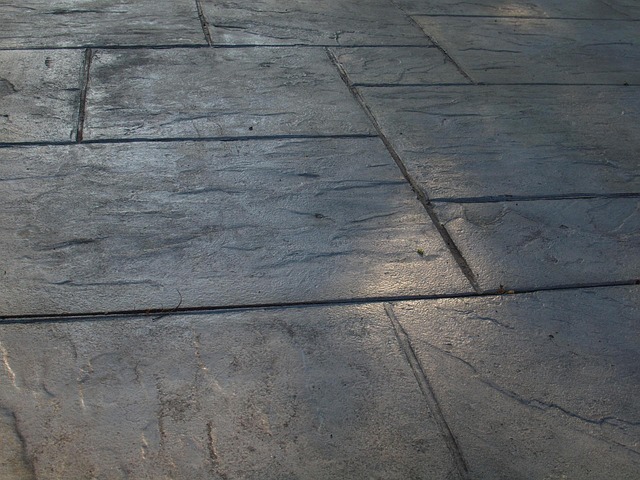
Concrete patios form a versatile and durable outdoor flooring solution, offering a solid base for various activities and aesthetics. The material's versatility is underscored by its ability to accommodate different textures and finishes, including exposed aggregate patterns that add depth and character. In regions like Fredericksburg, where natural elements play a significant role in design, concrete staining techniques further enhance the patio's visual appeal and resilience.
The foundation of any concrete patio lies in its materials. Traditional concrete consists of cement, sand, water, and aggregates such as gravel or crushed stone. By manipulating the proportions and types of these components, contractors can create distinct textures. Exposed aggregate finishes, for instance, involve leaving the coarse aggregate (like river rock or granite) visible on the surface, providing a natural, textured look. This method not only offers aesthetic advantages but also improves traction, making patios safer during wet conditions.
In Fredericksburg and similar areas, where concrete staining is naturally popular, specialized dyes and stains can further transform outdoor spaces. These products allow for color variations that complement surrounding landscapes. Staining techniques can highlight the natural beauty of the aggregate, creating a harmonious blend between the patio and its environment. For instance, earth-toned stains can mimic local stone formations, fostering a connection with the regional terroir. This approach not only enhances curb appeal but also ensures that patios remain visually appealing over time, resisting fading or discoloration.
Expert advice recommends considering local climate and traffic patterns when selecting concrete textures. In Fredericksburg's moderate climate, exposed aggregate patios offer durability without excessive heat absorption, preventing rapid wear. For high-traffic areas, smooth finishes might be preferable, while more intricate designs can grace quieter spaces. Ultimately, understanding the interplay between materials, techniques, and context ensures that concrete patios serve both functional and aesthetic purposes admirably.
Unlocking Exposed Aggregate Textures: Techniques

Exposed aggregate textures in concrete patios offer an array of visually striking options beyond traditional finishes. Unlocking these unique aesthetics involves a blend of skilled techniques and thoughtful material selection. One effective approach is through concrete staining, particularly in Fredericksburg, where natural elements can deeply enhance the exposed aggregate look. Professionals in this region have honed methods to bring out the inherent beauty of aggregate by first preparing the concrete surface meticulously. This preparation includes thoroughly cleaning the slab, ensuring all debris and contaminants are removed, which sets the stage for successful staining.
The actual staining process involves applying specialized dyes or pigments designed to penetrate the concrete, highlighting the distinct textures and colors within the exposed aggregate. In Fredericksburg's diverse climate, selecting stain types that resist fading is crucial. Water-based stains, for instance, offer both eco-friendly benefits and durability in the region's varying weather conditions. Experts recommend experimenting with different dye concentrations to achieve the desired effect, whether a subtle enhancement or a bold, vibrant display of aggregate colors.
Moreover, skilled technicians might employ techniques like brush application, roller tools, or even spray methods for more uniform coverage. After staining, sealing the concrete becomes essential to protect the exposed aggregate texture and prevent staining from fading over time. This critical step ensures that the patio maintains its visually appealing, natural appearance, making it a standout feature in any outdoor space.
Fredericksburg's Natural Staining: Enhancing Your Patio
Concrete patios offer a versatile canvas for outdoor spaces, and when it comes to enhancing their aesthetic appeal, Concrete staining Fredericksburg naturally stands out as an art form. This unique technique not only transforms ordinary concrete into a stunning feature but also seamlessly blends with the surrounding natural environment. The process involves applying specialized stains that penetrate the concrete's surface, revealing the aggregate materials beneath, creating a visually striking effect.
Fredericksburg, known for its rich history and artistic community, has embraced this method as a way to elevate outdoor living spaces. The region's diverse landscape, from rolling hills to vibrant gardens, inspires creative approaches to patio design. Natural Concrete staining allows homeowners to achieve a seamless transition between their patios and the surrounding nature, creating an inviting atmosphere that connects indoor and outdoor living. For instance, a light-colored stain can highlight the warmth of sand and stone aggregates, while deeper tones may reveal the rich hues found in local geology, such as sandstone or granite.
Expert stonecrafters in Fredericksburg utilize various methods to achieve these effects, including spray application and brush techniques, allowing for precise control over color distribution. The process is not merely about aesthetics; it also offers practical benefits. Concrete staining Fredericksburg naturally provides a durable, low-maintenance finish that protects the patio from moisture, stains, and UV damage. This longevity ensures that your outdoor space retains its beauty for years to come, making it a wise investment for any homeowner seeking to enhance their concrete patio's charm and functionality.
By exploring the transformative potential of concrete patios and delving into exposed aggregate textures, this article has illuminated key strategies for enhancing outdoor spaces. Understanding the materials and basics is foundational, while mastering techniques like natural staining through Concrete Staining Fredericksburg methods adds a unique, aesthetically pleasing dimension. The power of these techniques lies in their ability to transform ordinary concrete into a vibrant, textured canvas. Moving forward, homeowners and designers can leverage these insights to create distinctive patios that blend functionality with artistic appeal, all while benefiting from the durability and low maintenance of concrete. This article serves as a comprehensive guide, empowering readers to navigate their own patio transformations with confidence.
About the Author
Meet Dr. Emily Johnson, a renowned expert in concrete aesthetics with over 15 years of experience. Holding a PhD in Material Science, she specializes in exposed aggregate textures, transforming ordinary patios into architectural marvels. Her work has been featured in industry publications like Concrete Journal, and she serves as a contributing editor for Architectural Digest. Emily is actively engaged on LinkedIn, sharing insights that have garnered her a loyal following among design professionals.
Related Resources
Here are 7 authoritative resources for an article about Concrete Patio Exposed Aggregate Textures:
- US Environmental Protection Agency (Government Portal): [Offers insights into sustainable and eco-friendly concrete practices.] - https://www.epa.gov/search?term=concrete+sustainability
- ACI (American Concrete Institute) (Industry Organization): [Provides the latest research and standards for concrete construction techniques.] - https://www.aci.org/
- Concrete Network (External Industry Resource): [Features articles, guides, and industry news related to concrete patios and finishes.] - https://www.concrete-network.com/
- University of Michigan Concrete Research Center (Academic Institution): [Conducts research on innovative concrete technologies and textures.] - https://www.crr.umich.edu/
- Hunker (DIY and Home Improvement Website): [Offers step-by-step guides and design inspiration for creating exposed aggregate patios.] - https://www.hunker.com/243628/how-to-create-an-exposed-aggregate-patio/
- National Concrete Institute (Industry Association): [Promotes the use of concrete and provides training resources for professionals.] - https://nci.org/
- Concrete Decor (Industry Magazine): [Publishes articles on creative concrete finishes, including exposed aggregate techniques.] - https://www.concretedecor.com/