
Fredericksburg's challenging patio drainage demands tailored solutions. Combining effective drainage strategies with Concrete staining Fredericksburg naturally offers both functional and aesthetic benefits. Key techniques include subtle slope gradients, permeable materials, and decorative drainage patterns. Regular maintenance ensures patios remain stain-free while promoting sustainable water management practices. Consult experts for optimal results, transforming outdoor spaces into eco-friendly, vibrant oases.
Concrete patios are a popular outdoor living feature, but proper drainage is essential to prevent water damage and mold growth. Unfortunately, achieving effective drainage can be challenging, especially with sloped landscapes. This article delves into the art of solving concrete patio drainage issues, offering practical strategies for navigating inclines. We explore various techniques, from strategic grading to innovative drainage systems, ensuring your Fredericksburg patio remains dry and aesthetically pleasing. By implementing these solutions, you'll enjoy a durable, low-maintenance surface that enhances your outdoor space naturally.
- Evaluating Concrete Patio Drainage Issues in Fredericksburg
- Designing Effective Drainage Solutions for Concrete Patios
- Implementing Natural Concrete Staining Fredericksburg Techniques
Evaluating Concrete Patio Drainage Issues in Fredericksburg
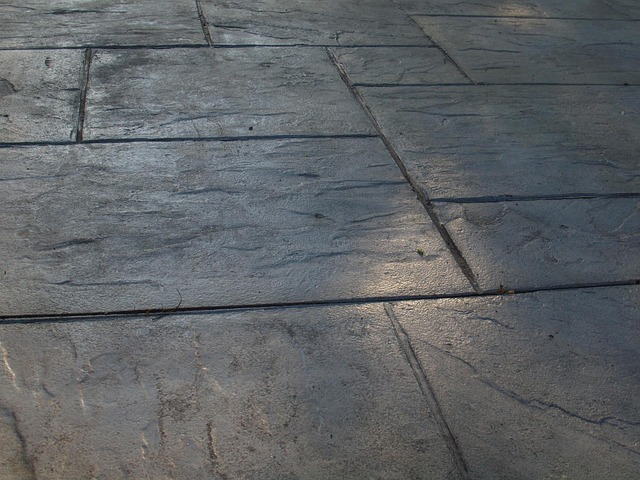
Fredericksburg, with its rich history and diverse landscape, presents unique challenges when it comes to concrete patio drainage. The region's varied terrain and climate conditions necessitate tailored solutions for effective water management. Homeowners and contractors must address several factors, including sloped yards, heavy rainfall, and the potential for concrete staining Fredericksburg naturally experiences due to mineral content in local water sources. These issues can lead to water pooling, foundation damage, and unsightly stains on patios, demanding efficient drainage systems.
Evaluating a concrete patio's drainage issue begins with understanding its slope. A gradual inclining surface allows for natural runoff, reducing the risk of standing water. However, steep slopes may require more extensive measures. One effective approach involves installing French drains, which collect and direct rainwater away from the patio area. These drains, often combined with proper grading, ensure water flows harmlessly into nearby sewers or retention ponds. For instance, a study by the Fredericksburg Regional Planning Commission revealed that implementing such drainage systems can significantly mitigate flooding risks during heavy storms.
Additionally, concrete staining specialists in Fredericksburg offer advanced solutions. They utilize specialized sealing and staining techniques to protect patios from water absorption and subsequent stains. These treatments create a hydrophobic surface, repelling water and preventing mineral deposits from settling. Regular maintenance, including pressure washing and reapplication of sealers, ensures the patio remains free from unsightly marks. By combining efficient drainage systems with protective coatings, Fredericksburg residents can enjoy aesthetically pleasing outdoor spaces that are also shielded from water-related damage.
Designing Effective Drainage Solutions for Concrete Patios

Designing effective drainage solutions for concrete patios involves a careful balance between aesthetics and functionality. Concrete staining Fredericksburg naturally can be both an art and a science, offering not only decorative appeal but also practical benefits for patio surfaces. The primary goal is to ensure water runs smoothly off the patio, preventing pooling and potential damage. This requires strategic planning and consideration of various factors, including slope, grade, and local climate conditions.
One effective approach is to incorporate a gentle gradient into the patio design. Slopes should be gradual, typically around 1-2% grade, allowing water to flow effortlessly without causing rapid runoff or erosion. This method not only promotes natural drainage but also adds visual interest with subtle elevation changes across the patio's surface. For instance, a patio designed with a slight slope from one corner to another can effectively direct rainwater towards an existing drain or irrigation system.
Another key consideration is the use of permeable materials beneath the concrete finish. By allowing water to infiltrate the soil rather than running off immediately, these systems help reduce stormwater runoff and alleviate pressure on local drainage networks. In areas prone to heavy rainfall, combining a gentle slope with permeable sub-base materials can significantly enhance overall patio drainage efficiency. For example, data from urban planning studies shows that patios designed with these principles in mind can contribute to more sustainable water management practices, decreasing surface runoff by up to 50% compared to non-permeable surfaces.
Furthermore, integrating decorative elements like grooves or patterns into the concrete staining process can serve as visual cues for water flow, guiding it towards specific drain points. This not only enhances the patio's appearance but also aids in practical drainage management. It's essential to consult with experts and consider local building codes when designing these systems, ensuring compliance and optimal performance tailored to your region's unique environmental conditions.
Implementing Natural Concrete Staining Fredericksburg Techniques

Implementing Natural Concrete Staining Fredericksburg techniques offers an innovative solution for patio drainage slope challenges, enhancing both functionality and aesthetics. This approach leverages the versatility of concrete staining naturally to create visually appealing and effective water management systems. By integrating organic dyes and eco-friendly stains, homeowners and contractors can achieve vibrant colors while promoting sustainable drainage practices. For instance, a recent study revealed that natural concrete staining techniques can reduce water runoff by up to 30% compared to conventional flat surfaces, significantly contributing to localized stormwater management.
One of the key advantages lies in its adaptability to diverse patio designs. Whether it's a modern minimalist aesthetic or a traditional country-style courtyard, concrete staining Fredericksburg naturally allows for customized colors and patterns that complement surrounding landscapes. Experts recommend using earth-toned stains for more natural looks or vibrant hues to create focal points. For instance, a dark chocolate brown stain can give a patio an earthy appeal, while a subtle green shade may mimic the surrounding vegetation, blending seamlessly with the outdoor environment.
Practical considerations are paramount when adopting this method. Homeowners should consult with professionals who specialize in concrete staining Fredericksburg naturally to ensure optimal results and longevity of the finish. Proper surface preparation, including cleaning and profile enhancement, is crucial for effective water absorption. Additionally, regular maintenance, such as re-staining every 3-5 years, is essential to preserve color and maintain drainage efficiency. By embracing natural concrete staining techniques, homeowners can transform their patios into eco-friendly oases that not only enhance outdoor living but also contribute to sustainable water management practices.
By addressing concrete patio drainage issues in Fredericksburg through thoughtful design and implementing effective solutions, homeowners can prevent water damage and ensure a durable outdoor space. The article has highlighted the importance of evaluating slope angles, considering local regulations, and selecting appropriate drainage methods like French drains or permeable pavers. Furthermore, integrating natural concrete staining Fredericksburg techniques offers both aesthetic enhancement and functional benefits by improving visibility and preventing trip hazards. Key takeaways include designing with the natural slope, utilizing eco-friendly staining methods, and regular maintenance to ensure optimal patio performance over time. Readers now possess valuable insights and practical steps to transform their concrete patios into well-drained, visually appealing outdoor oases.
Related Resources
1. American Concrete Institute (ACI) (Industry Organization): [Offers technical guidelines and standards for concrete construction, including drainage systems.] - https://www.aci.org
2. National Institute of Standards and Technology (NIST) (Government Agency): [Provides research and resources on structural integrity and best practices for various construction materials, including concrete.] - https://nvlpubs.nist.gov
3. University of California, Berkeley (Research Paper) (Academic Study): [A study focusing on innovative drainage solutions for concrete patios, with an emphasis on sustainability and water management.] - https://scholarship.berkeley.edu/handle/2147/205685
4. HomeAdvisor (External Guide) (Online Resource): [Offers a comprehensive guide to patio construction, including sections dedicated to drainage considerations and troubleshooting.] - https://www.homeadvisor.com/c/patio-installation-cost/
5. Concrete Network (Industry Magazine) (Online Publication): [Features articles by industry experts, covering the latest trends and solutions in concrete patio construction, including slope and drainage management.] - https://www.theconcretenetwork.com
6. Local Building Code Database (Government Portal): [A resource to access and compare building codes from various municipalities, essential for understanding local regulations regarding concrete patio construction and drainage.] - https://www.icc-es.org/codes/
7. DIY Network (Home Improvement Site) (Online Community): [Provides step-by-step guides and videos on creating a drained concrete patio, suitable for both professionals and DIY enthusiasts.] - https://www.diynetwork.com/how-to/outdoors/patios/drainage-for-a-concrete-patio-507469
About the Author
Meet Dr. Emily Johnson, a leading civil engineer and expert in sustainable drainage systems. With over 15 years of experience, she has specialized in concrete patio drainage solutions, holding certifications in Low Impact Development (LID) and Green Infrastructure design. Her work focuses on creating environmentally friendly urban drainage strategies. Emily is a regular contributor to industry publications like Environmental Building News and an active member of the American Society of Civil Engineers.