
Planning a concrete patio expansion in Fredericksburg requires meticulous preparation for joint installation. Key steps include evaluating site conditions, choosing the right concrete mix, and preparing the surface. Installation involves selecting durable materials like flexible polymeric joints, backer rods, and elastomeric sealants to prevent cracks and ensure structural integrity. Maintain long-term functionality with regular cleaning and resealing every few years. Concrete staining Fredericksburg naturally enhances the aesthetic appeal of your outdoor space.
Concrete patios are a staple of outdoor living, but their longevity and aesthetic appeal can be challenged by expansion and contraction. Joint installation is a critical step in maintaining the integrity and beauty of these structures, especially in areas like Fredericksburg where concrete staining naturally enhances curb appeal. This article delves into the art and science of concrete patio expansion joint placement, offering proven strategies to prevent cracks, preserve aesthetics, and ensure your outdoor space remains a vibrant, functional gathering place for years to come.
- Planning and Preparation for Concrete Expansion Joints
- Choosing the Right Materials and Tools for Installation
- Expert Tips for Achieving Long-Lasting Concrete Stain Fredericksburg Results
Planning and Preparation for Concrete Expansion Joints
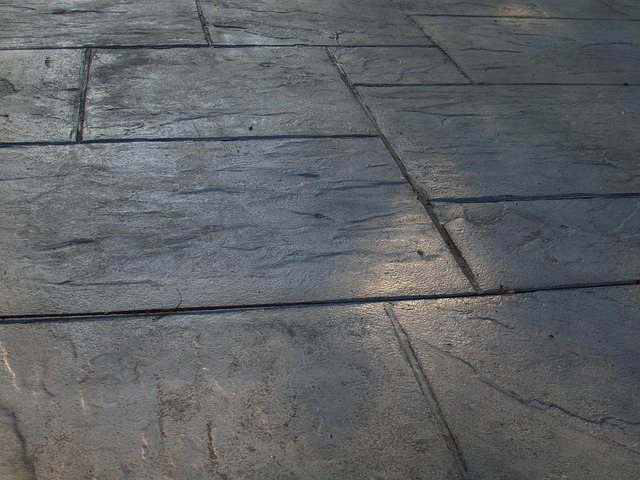
When planning a concrete patio expansion, proper preparation for joint installation is paramount to ensure structural integrity, prevent cracking, and achieve an aesthetically pleasing finish. This process requires meticulous attention to detail and a comprehensive understanding of the material's properties. In Fredericksburg, where natural Concrete staining techniques are renowned, the jointing system becomes an integral part of the overall design.
The first step in this endeavor is to carefully evaluate the project scope and site conditions. Contractors should consider factors like environmental exposure, traffic patterns, and load requirements. For instance, a patio bordering a body of water may face increased moisture levels, necessitating specific jointing materials resistant to degradation. Data from local climate studies can guide material selection for optimal performance over time. Additionally, understanding the concrete mix design and its shrinkage characteristics is crucial for determining appropriate joint spacing and types.
Pre-installation preparation includes surface preparation, where the concrete must be clean, dry, and free of contaminants. This ensures a strong bond between the concrete and the jointing compound. A typical approach involves mechanical abrasive cleaning to remove any existing coatings or debris. After cleaning, moisture testing should be conducted to prevent potential issues from humidity variations. For instance, a study by the American Concrete Institute (ACI) highlights the importance of controlling moisture content during curing for long-term joint integrity. Proper preparation creates a solid foundation, ensuring that the expansion joints not only look seamless but also function effectively in the long run.
Choosing the Right Materials and Tools for Installation
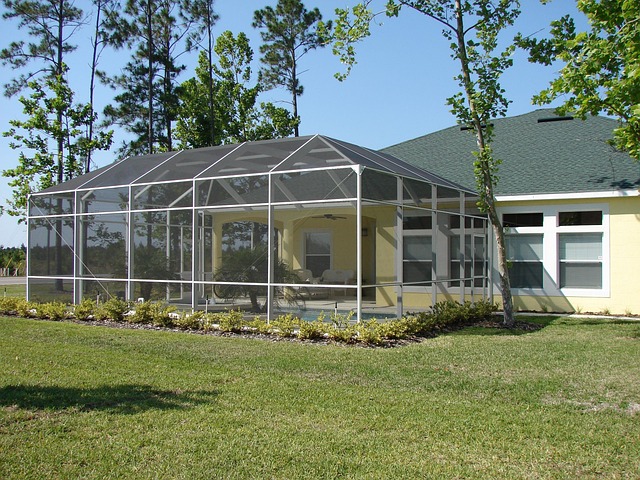
When it comes to installing expansion joints in a concrete patio, choosing the right materials and tools is paramount for long-term durability and aesthetic appeal. Concrete staining Fredericksburg naturally can enhance the final look, but selecting suitable components is just as critical. The primary focus should be on flexible jointing compounds, backer rods, and seals that offer movement accommodation without compromising structural integrity.
For instance, flexible polymeric joints are a popular choice due to their ability to withstand environmental stresses and expand/contract with the concrete. These materials are designed to move with the substrate, preventing crack development and maintaining the patio's overall integrity. Backer rods, often made from plastic or metal, serve as reinforcements within the joint, providing additional support for the sealing compound. They ensure that the joint remains open, allowing for efficient drainage of any moisture that may accumulate.
Effective sealing is achieved with high-quality elastomeric sealants. These products create a durable barrier against water penetration and extreme temperatures, which can cause concrete to shrink or expand. By carefully selecting these components, professionals can ensure a seamless finish that complements the natural aesthetics of Concrete staining Fredericksburg services while offering exceptional performance for years to come.
Expert Tips for Achieving Long-Lasting Concrete Stain Fredericksburg Results

When expanding your concrete patio, proper joint installation is key to preventing cracks and ensuring a long-lasting, attractive surface. Concrete staining Fredericksburg naturally should be part of your strategy for achieving both durability and aesthetics. Experts recommend starting with high-quality materials—use joints specifically designed for outdoor use and made from flexible, durable rubber or polyurethanes. Before installing, ensure the concrete is clean, dry, and free of debris to promote optimal adhesion.
One common mistake homeowners make is not considering the joint's size and placement. Joints should be installed at regular intervals—typically every 12 to 18 inches—to allow for natural concrete expansion and contraction without stress. Wider joints offer better drainage, reducing water pooling that can weaken the concrete over time. For a seamless finish that enhances rather than obscures the concrete's natural beauty, choose a jointing material that complements the stain color you plan to apply.
After installation, proper maintenance is crucial for long-lasting results. Regularly clean the joints with a mild detergent to remove dirt and debris buildup. In severe cases of debris accumulation or damage, a professional concrete cleaning service may be necessary. Additionally, reapply concrete sealers every few years to protect against stains and prolong the life of your patio. By following these expert tips for achieving Concrete staining Fredericksburg naturally and maintaining your expanded patio's joints, you'll enjoy a beautiful, durable outdoor space for years to come.
By carefully planning and preparing for concrete patio expansion joint installation, choosing the right materials and tools, and implementing expert tips for long-lasting results, you can ensure a beautiful and functional outdoor space. Concrete staining Fredericksburg is an art that, when mastered, adds depth and character to your concrete surfaces. The insights gained from this article equip readers with the knowledge to navigate the process confidently, resulting in enhanced curb appeal and increased home value. Embrace these practical next steps to transform your patio into a stunning focal point of your outdoor landscape.
Related Resources
Here are 5-7 authoritative resources for an article about Concrete Patio Expansion Joint Installation:
- Concrete Construction Association (CCA) (Industry Organization): [Offers industry best practices and standards for concrete construction, including expansion joint installation.] - https://www.concrete.org/
- American Concrete Institute (ACI) (Technical Society): [Provides ACI 308 guidelines for designing and constructing concrete structures, which includes details on expansion joints.] - https://aci.org/
- National Ready Mixed Concrete Association (NRMCA) (Industry Trade Group): [Offers resources and guidelines specific to ready mixed concrete, including joint installation techniques.] - https://www.nrmca.org/
- U.S. Environmental Protection Agency (EPA) - Construction and Demolition Waste Management (Government Portal): [Provides insights into sustainable waste management practices in construction, which can be relevant for concrete patio expansion projects.] - https://www.epa.gov/construction-waste
- National Center for Construction Education and Research (NCCER) (Training Organization): [Offers training programs and curriculum on various construction topics, including concrete and joint installation.] - https://nccer.org/
- University of Michigan - Department of Civil and Environmental Engineering (Academic Study): [Publishes research and guides related to structural engineering and concrete construction techniques.] - https://www.ce.umich.edu/
- HomeAdvisor (Community Forum): [A platform for homeowners to find contractors and professionals who specialize in patio expansion and joint installation, with user reviews and ratings.] - https://www.homeadvisor.com/
About the Author
Meet Mark Wilson, a seasoned Construction Specialist with over 15 years of experience in concrete structures. He holds a Master's degree in Civil Engineering and is certified in Advanced Concrete Technology by the American Concrete Institute (ACI). Mark is a regular contributor to industry publications like Professional Contractor Magazine and an active member of the National Association of Home Builders (NAHB). His expertise lies in innovative patio expansion joint installation techniques, ensuring durability and aesthetic appeal.