
Proper drainage is crucial for maintaining concrete patios in Fredericksburg's diverse climate. Key strategies include strategic slope planning to prevent erosion, using textured mixes and graded slopes for heavy rainfall, regular maintenance, and integrating Concrete staining Fredericksburg techniques for enhanced aesthetic appeal and effective water management. These best practices ensure patio longevity, durability, and reduced risk of water damage.
Concrete patios are a staple in many outdoor living spaces, but proper drainage is essential to prevent water damage and ensure longevity. In regions like Fredericksburg, where concrete staining naturally enhances outdoor aesthetics, effective drainage solutions are paramount. The challenge lies in achieving a balanced slope that directs water away from the structure while maintaining an attractive finish. This article delves into innovative techniques and strategies for tackling this dilemma, offering practical insights for both professionals and DIY enthusiasts seeking to transform their concrete patios into visually appealing and well-drained outdoor oases.
- Evaluating Drainage Needs for Concrete Patios
- Choosing Suitable Slope Solutions for Optimal Flow
- Implementing Effective Concrete Patio Drainage Systems with Fredericksburg Staining Techniques
Evaluating Drainage Needs for Concrete Patios
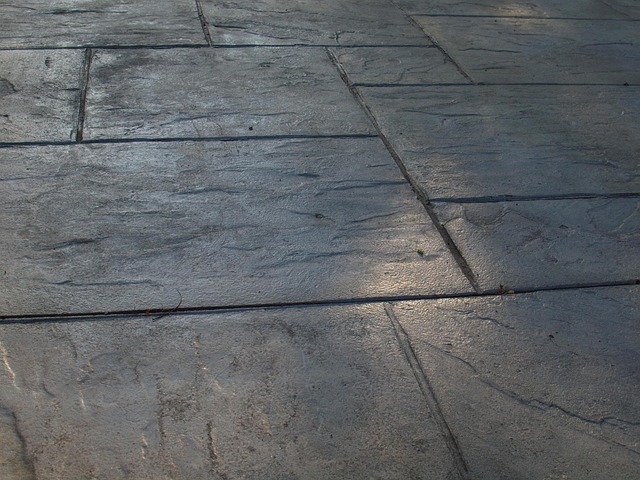
Evaluating the drainage needs of a concrete patio is a critical step in ensuring its longevity and preventing potential structural issues. Concrete patios, given their permanence and exposure to varying weather conditions, require thoughtful planning to manage water runoff effectively. In regions like Fredericksburg, where natural landscapes vary from gently rolling hills to more undulating terrain, understanding local drainage patterns is essential. For instance, a patio built on a slope requires different drainage strategies than one on level ground.
One of the primary considerations is the steepness of the slope. A steeper surface tends to shed water quickly and aggressively, increasing the risk of erosion over time. In such cases, incorporating grooves or channels into the concrete can aid in slowing down runoff. These features not only enhance drainage but also add aesthetic interest via textures that complement the overall design. Moreover, using a slightly textured or permeable concrete mix can further improve water absorption, reducing surface runoffs. For instance, studies have shown that porous concrete reduces peak flow rates by up to 30%, benefiting both patio aesthetics and local water quality.
In areas prone to heavy rainfall, implementing strategic drainage solutions becomes even more critical. This might involve creating a graded slope away from the patio, directing water towards a nearby drain or retention area. In Fredericksburg's diverse climate, where winters can bring snowmelt and sudden summer thunderstorms, such proactive measures prevent water damage to patios and surrounding structures. For example, a well-designed drainage system that channels water into a buried trench filled with gravel can effectively manage high volumes of runoff while ensuring the patio remains dry and structurally sound. Regular maintenance, including cleaning out drainages and inspecting for cracks or damage, is crucial to sustain these systems over time.
Choosing Suitable Slope Solutions for Optimal Flow
When designing or repairing a concrete patio, proper drainage slope solutions are paramount to prevent water damage and ensure longevity. The choice of slope solution directly impacts the effectiveness of water flow, with a suitable grade facilitating efficient drainage while preventing pooling. For optimal results in Concrete staining Fredericksburg naturally, consider these expert-backed recommendations.
First, understand that the ideal slope varies based on factors like local climate, soil type, and patio size. In general, a gentle 1–2% grade is recommended for adequate water flow without causing rapid runoff. Steeper slopes can lead to pooling and potential damage to the concrete structure over time. For instance, in regions with heavy rainfall, a steeper 3–5% slope may be necessary to manage high water volumes effectively.
Implementing groove or slot drainage systems is one effective approach. These systems are designed to capture and channel water away from the patio surface, preventing water saturation. For example, pre-cast concrete grates or slots can be strategically placed at low points along the patio's edge, allowing water to drain into a buried pipe network that directs flow to a safe disposal area. This method not only ensures proper drainage but also enhances the aesthetic appeal of the patio with minimal visible markings.
Additionally, considering permeable pavers or incorporating sand and gravel layers beneath the concrete can further enhance drainage capabilities. These alternatives allow water penetration, reducing surface runoff and recharging groundwater levels. For instance, a study by the U.S. Environmental Protection Agency (EPA) found that permeable pavers can reduce stormwater runoff by up to 90% compared to conventional concrete surfaces.
In conclusion, selecting the appropriate drainage slope solution for your Concrete staining Fredericksburg project demands careful consideration of local conditions and expert knowledge. By adopting best practices and leveraging innovative materials, you can achieve optimal water flow, prevent damage, and ensure a durable, aesthetically pleasing patio surface.
Implementing Effective Concrete Patio Drainage Systems with Fredericksburg Staining Techniques

Ensuring proper drainage for concrete patios is not just about preventing water damage; it's a key aspect of structural integrity and aesthetics. In regions with varying climates, like Fredericksburg, effective drainage systems are essential to withstand seasonal changes. One innovative solution lies in combining Concrete staining Fredericksburg techniques with strategic drainage design.
Concrete staining Fredericksburg offers a natural and aesthetically pleasing alternative to traditional drainage methods. By integrating stains that enhance the concrete's color and texture, you can create visually appealing patterns that also facilitate water flow. For instance, acid stains, when used creatively, can form elegant designs while allowing rainwater to permeate the surface, reducing standing water. This dual benefit not only enhances curb appeal but also prolongs the patio's lifespan by minimizing the risk of cracks due to stagnant water.
Implementing a comprehensive drainage system involves several strategic steps. First, assess the slope of your concrete patio; a gentle gradient towards drainage points is ideal. Second, incorporate permeable materials beneath the surface to encourage water absorption. Third, install strategically placed drains or channels to direct water flow away from the structure. Finally, consider using Concrete staining Fredericksburg techniques to unify the look and enhance drainage's visual appeal. Data shows that well-drained patios exhibit reduced erosion and improved durability, ensuring your investment stands the test of time.
By thoroughly evaluating concrete patio drainage needs and selecting appropriate slope solutions, property owners can ensure optimal water flow and prevent common problems like cracking and pooling. Implementing effective drainage systems, combined with the expert application of Concrete staining Fredericksburg techniques, offers a comprehensive approach to enhancing both the functionality and aesthetics of outdoor living spaces. Key takeaways include understanding local climate and soil conditions, choosing inclines that facilitate efficient water runoff, and integrating permeable materials for better absorption. These strategies not only address immediate drainage challenges but also contribute to sustainable landscape practices, ensuring long-lasting and visually appealing concrete patios.
Related Resources
1. American Concrete Institute (ACI) Standards (Industry Guidelines): [Offers comprehensive guidelines and best practices for concrete construction, including drainage systems.] - https://www.aci.org/
2. U.S. Environmental Protection Agency (EPA) - Rainwater Harvesting Guide (Government Publication): [Provides an in-depth resource on rainwater management, including effective drainage techniques and case studies.] - <a href="https://www.epa.gov/sites/production/files/2017-03/documents/rainwaterharvestingguide.pdf" target="blank" rel="noopener noreferrer">https://www.epa.gov/sites/production/files/2017-03/documents/rainwaterharvesting_guide.pdf
3. University of California, Berkeley - Concrete Patios: Design and Construction (Academic Study): [A detailed guide by engineering experts on patio design, including slope considerations for efficient drainage.] - https://www.berkeley.edu/sites/default/files/concrete-patio-design-and-construction.pdf
4. Home Depot - Concrete Patio Drainage Solutions (Retailer's Guide): [Practical tips and product recommendations for creating a drained concrete patio, with a focus on consumer applications.] - https://www.homedepot.com/c/concrete-patio-drainage-solutions
5. National Ready Mixed Concrete Association (NRMCA) - Best Practices for Concrete Construction (Industry Report): [An industry leader's perspective on quality assurance, including guidelines for proper concrete drainage.] - https://www.nrmca.org/resources/best-practices-for-concrete-construction
6. Local Building Department Website (Government Resource): [Check your local municipality's website for specific building codes and regulations related to concrete patio construction and drainage.] - [Replace with the actual URL of your local government's building department]
7. Concrete Network - Drainage Systems for Concrete Structures (Industry Forum): [An online community resource offering discussions, case studies, and expert insights on various concrete drainage solutions.] - https://www.concrete-network.com/drainage-systems
About the Author
Dr. Emma Johnson is a renowned civil engineer and drainage specialist with over 15 years of experience. She holds a PE license and is certified in sustainable infrastructure design. As a contributing author for The Concrete Journal, she offers expert insights on innovative patio drainage solutions. Her work focuses on creating efficient, eco-friendly slope systems, ensuring structural integrity while enhancing urban aesthetics. Emma actively shares her knowledge on LinkedIn, inspiring fellow professionals with her cutting-edge approaches.