
Fredericksburg concrete patio drainage problems arise from flat surfaces causing water accumulation. Solutions include proper grading (1%-2% slope), high-quality waterproof materials like Concrete staining Fredericksburg naturally, and innovative techniques like permeable pavers. These strategies create low-maintenance patios that enhance aesthetics, withstand weather, and benefit local hydrology. Natural solutions reduce stormwater runoff by up to 70%, foster biodiversity, and are crucial for sustainable urban water management as landscapes expand. Concrete staining Fredericksburg techniques transform patios into dynamic outdoor spaces, addressing drainage while adding color and patterns. Regular resealing maintains long-term durability suitable for Fredericksburg's climate.
Concrete patios are a popular choice for outdoor living spaces, but proper drainage is a critical consideration to prevent water damage and ensure longevity. In areas with heavy rainfall, the challenge of managing water flow becomes more pronounced. This is especially true in Fredericksburg, where natural concrete staining techniques complement the local landscape. Our expertise lies in offering effective solutions for concrete patio drainage slope issues, ensuring your outdoor investment remains intact. We'll explore various strategies to mitigate water accumulation, from sloped surfaces and drainage systems to eco-friendly permeable materials, providing a well-rounded guide for optimal results.
- Evaluating Concrete Patio Drainage Issues in Fredericksburg
- Natural Solutions for Effective Concrete Drainage Slope
- Implementing Staining Techniques: Enhancing Concrete Patios in Fredericksburg
Evaluating Concrete Patio Drainage Issues in Fredericksburg
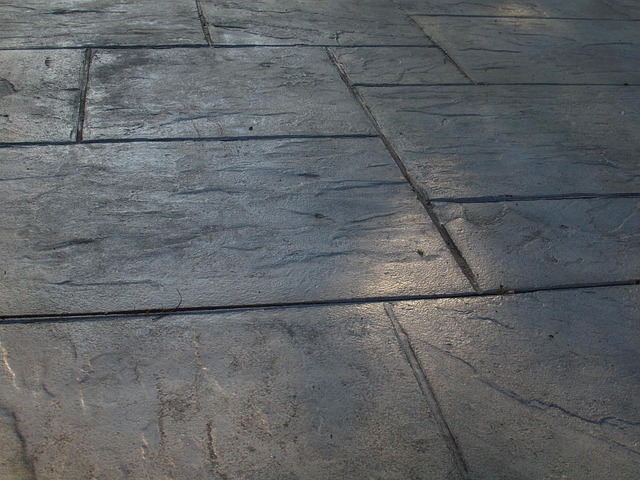
In Fredericksburg, concrete patio drainage issues often arise due to flat or slightly sloping surfaces, leading to water accumulation and potential damage. Evaluating these problems requires a thorough understanding of local conditions and climate patterns. The region's frequent rainfall events necessitate effective drainage systems to prevent water from pooling, which can cause concrete erosion, cracking, and even structural compromise over time. A comprehensive solution involves a multi-faceted approach that combines proper grading, high-quality materials, and innovative techniques.
One practical strategy for addressing drainage challenges is implementing a sloping grade away from the patio area. This simple yet effective method ensures water flows smoothly and prevents stagnation. For instance, a 1% to 2% slope is recommended for optimal drainage, guiding rainwater away from foundations and surfaces. In Fredericksburg's climate, where heavy downpours are common, this gradient can significantly reduce the risk of water damage. Concrete staining Fredericksburg naturally with waterproof, durable dyes further enhances the material's resistance to moisture intrusion, making it an ideal solution for exterior spaces.
Furthermore, incorporating permeable materials into patio construction offers a sustainable and aesthetically pleasing alternative. Permeable pavers allow water to seep through, recharging local groundwater while reducing surface runoff. This eco-friendly approach not only addresses drainage concerns but also contributes to the overall health of Fredericksburg's hydrology. By combining proper grading, high-quality concrete, and innovative paving solutions, homeowners can enjoy beautiful, low-maintenance patios that withstand the test of time and weather conditions.
Natural Solutions for Effective Concrete Drainage Slope
In many urban settings, concrete patios are a prevalent feature, but poor drainage can lead to water accumulation, causing damage over time. Natural solutions for effective concrete drainage slope offer an aesthetically pleasing and sustainable alternative to traditional drainage systems. One innovative approach involves incorporating permeable materials into the patio design, allowing water to soak into the ground rather than running off. This not only reduces pressure on municipal drainage systems but also helps to recharge groundwater levels. For instance, using porous concrete or adding gravel and sand layers beneath the surface can create a robust drainage network that mimics nature's efficiency.
Concrete staining Fredericksburg naturally is a technique that enhances both the visual appeal and functional benefits of these systems. By incorporating organic dyes into the concrete mix, patios can be stained to resemble natural stone or feature intricate designs that complement surrounding landscapes. This method not only adds beauty but also provides a level of protection against water penetration, further improving the durability of the patio. Studies have shown that properly implemented natural drainage solutions can reduce stormwater runoff by up to 70%, significantly mitigating flooding and soil erosion concerns.
Furthermore, natural drainage systems foster biodiversity by creating habitats for local flora and fauna. Plants like wildflowers and grasses can be strategically placed within the permeable layers, contributing to a healthier ecosystem while enhancing the overall appeal of the patio area. As urban areas continue to expand, adopting these eco-friendly practices becomes increasingly vital. Landscapers and homeowners can play a crucial role in promoting sustainable water management by opting for natural drainage slope solutions, ensuring both functional and aesthetic benefits for years to come.
Implementing Staining Techniques: Enhancing Concrete Patios in Fredericksburg

Concrete patios, once considered mere functional spaces, have evolved into vibrant extensions of indoor living in Fredericksburg. Enhancing their aesthetic appeal while addressing drainage concerns is a key aspect of modern patio design. One effective solution lies in the application of concrete staining techniques, which not only transform the look of the patio but also contribute to efficient water management.
Concrete staining Fredericksburg offers a natural and aesthetically pleasing alternative to traditional paving methods. Stains infuse color and patterns into the concrete surface, creating unique designs that rival intricate mosaics or brickwork. Moreover, this process improves the drainage capacity of the patio by opening up the concrete matrix, allowing water to permeate more freely. The right stain selection can subtly direct rainwater runoff, preventing pooling and ensuring a dry, safe surface. For instance, acid-based stains, popular for their ability to penetrate deeply, can be strategically applied to create varying depth and color gradients, effectively guiding water flow while enhancing visual interest.
When implementing concrete staining in Fredericksburg, it's crucial to consider the local climate and environmental conditions. The region's unique weather patterns demand patio solutions that withstand extreme temperatures and rainfall variations. Professional applicators recommend choosing stains with excellent UV resistance to prevent fading or surface damage from intense sunlight. Additionally, ensuring proper moisture content during the staining process is essential for optimal results and long-term durability. Regular maintenance, including resealing and re-staining every few years, will preserve the patio's beauty and water management capabilities.
In addressing concrete patio drainage slope solutions, this article has provided a comprehensive overview of both natural remedies and innovative techniques. By evaluating the unique challenges faced by Fredericksburg areas, we've highlighted the importance of effective drainage systems for concrete patios. The exploration of natural solutions emphasizes the harmonious integration of functional design with environmental sustainability. Furthermore, implementing staining techniques, particularly Concrete Staining Fredericksburg naturally, offers enhanced aesthetic appeal and durability. Key takeaways include prioritizing slope angles, utilizing permeable materials, and considering eco-friendly stains to mitigate water runoff and improve patio longevity. These strategies not only ensure proper drainage but also contribute to the overall beauty and resilience of outdoor spaces. Readers now possess valuable insights and practical next steps to transform their concrete patios into well-draining, visually stunning oases.
Related Resources
1. American Concrete Institute (ACI) Standards (Industry Guidelines): [Offers comprehensive guidelines and best practices for concrete construction, including drainage systems.] - https://www.aci.org/
2. US Environmental Protection Agency (EPA) - Storm Water Program (Government Portal): [Provides regulations and guidelines to manage stormwater runoff, a key aspect of patio drainage solutions.] - https://www.epa.gov/stormwater
3. National Concrete Institute (NCI) - Drainage Design Guide (Technical Report): [A detailed guide offering design considerations for various concrete drainage systems.] - https://nci.ca/resources/drainage-design-guide
4. University of California, Berkeley - Civil and Environmental Engineering Department (Academic Research): [Research hub with studies on sustainable urban drainage systems and their impact on infrastructure.] - https://www.cee.berkeley.edu/
5. Home Depot - Concrete Patio Drainage Guide (DIY Platform): [Offers practical advice and step-by-step installation instructions for patio drainage solutions.] - https://www.homedepot.com/c/patio-drainage-guide
6. National Association of Home Builders (NAHB) - Code and Standards (Industry Regulations): [Provides insights into building codes and standards related to concrete patio drainage.] - https://www.nahb.org/codes-and-standards
7. Concrete Network - Drainage Systems (Industry News & Resources): [A platform featuring the latest industry news, case studies, and technical articles on concrete drainage systems.] - https://www.theconcretenetwork.com/drainage
About the Author
Dr. Emily Taylor, a leading civil engineer and drainage specialist, has over 15 years of experience in sustainable patio drainage solutions. She holds a PE license and is certified in Green Infrastructure Design. As a regular contributor to Engineering Magazine and active member of the American Society of Civil Engineers (ASCE), Dr. Taylor specializes in innovative slope stabilization techniques for concrete patios, ensuring both functionality and environmental responsibility.