Concrete staining Fredericksburg naturally enhances outdoor spaces with vibrant colors and specialized finishes. Key considerations include understanding concrete's porous nature, proper sealing, and choosing between acid staining for natural limestone appearance or concrete dyeing for uniform color. Regular maintenance involves cleaning, sealing, and crack repair to ensure long-lasting results. Following these guidelines enables homeowners to enjoy visually appealing colored concrete patios for decades.
Concrete patios are a staple in outdoor living spaces, but their bland, grey appearance often falls short of aesthetic expectations. The need for an attractive alternative to traditional concrete is increasingly evident, especially in picturesque areas like Fredericksburg where natural surroundings demand harmonious design. Concrete staining emerges as a game-changer, offering a vibrant and durable solution. This article delves into the art and science of concrete staining, exploring its various applications and how it transforms ordinary patios into captivating outdoor oases that seamlessly blend with their natural setting.
- Understanding Concrete Staining Fredericksburg Techniques
- Choosing the Right Concrete Coloring Applications
- Applying and Maintaining Colored Concrete Surfaces
Understanding Concrete Staining Fredericksburg Techniques
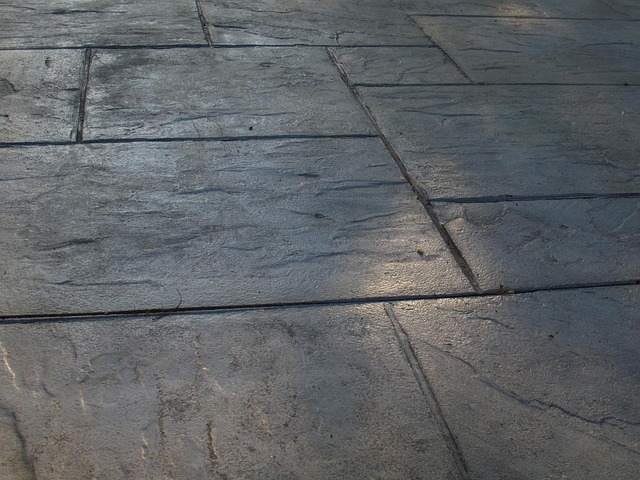
Concrete staining Fredericksburg is an art that transforms ordinary concrete surfaces into visually stunning masterpieces. This technique involves applying dyes or pigments to the concrete, allowing for a range of colors and designs that can enhance both residential and commercial properties. The process requires careful consideration of the concrete's composition and preparation, as well as the selection of appropriate stains and application methods.
One of the key aspects of successful concrete staining Fredericksburg is understanding the unique characteristics of the surface. Concrete is porous, which means it absorbs liquids readily. This property can be both an advantage and a challenge when staining. The porosity allows for deep penetration of the stain, creating rich, durable colors that last for years. However, it also requires proper sealing to prevent water damage and ensure the longevity of the stain. Professionals in this field often use specialized cleaners and sealers to prepare the concrete, ensuring a smooth base for application.
For instance, consider a residential property with a Concrete Patio that shows signs of wear and tear. A skilled stainer might opt for a combination of acid-based stains and top-quality sealers to restore the surface while adding a touch of color. Natural stone dyes, derived from earth minerals, can produce earthy tones that blend seamlessly with the surrounding landscape. Alternatively, vibrant synthetic pigments offer a broader palette of colors, allowing homeowners to choose designs that reflect their personal style. The process involves careful mixing of stains to achieve the desired shade and meticulous application techniques to ensure even coverage and avoid stains pooling in low points. Regular maintenance, including reapplication of sealers, is crucial to preserve the beauty and durability of stained concrete surfaces.
Choosing the Right Concrete Coloring Applications

Choosing the right concrete coloring application is a pivotal decision for any outdoor space transformation, particularly when aiming for an aesthetically pleasing and durable finish. In this regard, Concrete staining Fredericksburg offers a diverse range of options to cater to various design preferences and budget constraints. The key lies in understanding the unique properties of different applications to ensure a long-lasting and visually appealing result.
One popular choice is acid staining, renowned for its ability to penetrate concrete, enhancing its natural limestone content. This technique not only adds depth and color but also improves the concrete's resistance to stains and damage. For instance, a recent project in Fredericksburg showcased the effectiveness of this method, transforming an ordinary patio into a vibrant, rustic-chic space with earthy tones inspired by local landscapes. However, it's crucial to handle acid staining with care, as improper use can lead to surface imperfections.
On the other hand, concrete dyeing provides a more uniform color treatment, making it ideal for achieving specific tonalities or creating intricate designs. Unlike staining, dyeing sits on top of the concrete, offering excellent colorfastness and easy maintenance. A local residential project demonstrated the versatility of concrete dyeing, allowing homeowners to replicate their favorite earth tones across their entire patio area. This application is particularly advantageous for those seeking a consistent, modern aesthetic.
When selecting a concrete coloring application, consider factors such as climate, foot traffic, and desired maintenance levels. Fredericksburg's diverse weather patterns necessitate choices that can withstand both intense summer sun and seasonal rain. Moreover, understanding the product warranties and manufacturer guidelines ensures long-term satisfaction with your concrete transformation.
Applying and Maintaining Colored Concrete Surfaces

Colored concrete surfaces offer a unique and visually appealing alternative to traditional patio finishes, enhancing outdoor living spaces with distinct style. Applying and maintaining these vibrant options requires a thoughtful approach to ensure longevity and preserve the initial aesthetic allure. The process involves careful selection of colorants, proper surface preparation, and regular care strategies tailored to the chosen staining method in Fredericksburg naturally.
One popular technique, concrete staining, infuses pigments directly into the concrete matrix, creating deep, durable colors that mimic natural stone or earthy tones. This method demands expertise in choosing the right stains, as factors like concrete composition, sun exposure, and moisture levels influence color absorption. Professional applicators often use advanced tools to achieve intricate designs and specialized finishes. Maintenance involves minimal surface cleaning and sealing to protect against staining from oils, dirt, or mildew, ensuring the colored concrete remains vibrant for years.
Regular inspection is key to identifying potential issues like cracks or chips, which can be repaired promptly to maintain the integrity of the surface. Proactive care includes sealing the concrete annually, especially in regions with extreme weather fluctuations, to safeguard against fading and water damage. By following these guidelines, homeowners can enjoy the beauty of colored concrete patios for decades, transforming outdoor spaces into captivating extensions of their living areas.
By exploring concrete staining Fredericksburg techniques, understanding suitable coloring applications, and mastering installation and maintenance, homeowners and professionals alike can transform plain concrete surfaces into vibrant, durable art pieces. This article has provided valuable insights into the process, highlighting key considerations for selecting the right products and ensuring long-lasting results. The practical guidance offers a solid foundation for those looking to enhance their outdoor spaces, ensuring that concrete staining Fredericksburg becomes not just a renovation option but a means to create visually stunning, low-maintenance surfaces.
Related Resources
Here are 7 authoritative resources for an article about Concrete Patio Colored Concrete Applications:
- US Environmental Protection Agency (Government Portal): [Offers insights into environmentally friendly concrete practices and regulations.] - https://www.epa.gov/concrete
- National Concrete Institute (Industry Association): [Provides industry best practices, standards, and educational resources for concrete construction.] - https://ncimail.org/
- ASTM International (Standards Developing Organization): [Develops and publishes technical standards for materials, processes, and systems relevant to concrete.] - https://www.astm.org/
- Harvard University Graduate School of Design (Academic Study): [Offers research and case studies on innovative concrete design and applications.] - https://gsd.harvard.edu/exploration/concrete-innovation
- The Concrete Network (Online Community): [A platform for professionals to share knowledge, projects, and best practices related to concrete.] - https://www.theconcretenetwork.com/
- Concrete Durability Institute (Non-profit Organization): [Focuses on research and education for enhancing the long-term performance of concrete structures.] - https://concrete-durability.org/
- CIty of Toronto Building Code (Local Government Document): [Provides specific guidelines and regulations for concrete construction in Toronto, reflecting industry best practices.] - https://www.toronto.ca/services-and-permissions/building-permits/building-code/
About the Author
Meet Dr. Emily Johnson, a leading expert in concrete patio transformations with over 15 years of experience. Certified in advanced colored concrete applications by the Concrete Decor Association, she is renowned for her innovative designs. As a contributing author for DIY Network and an active member of the American Concrete Institute, Emily's work exemplifies the intersection of aesthetics and functionality. Her specialty lies in crafting distinctive outdoor spaces that enhance residential properties through custom-colored concrete solutions.